


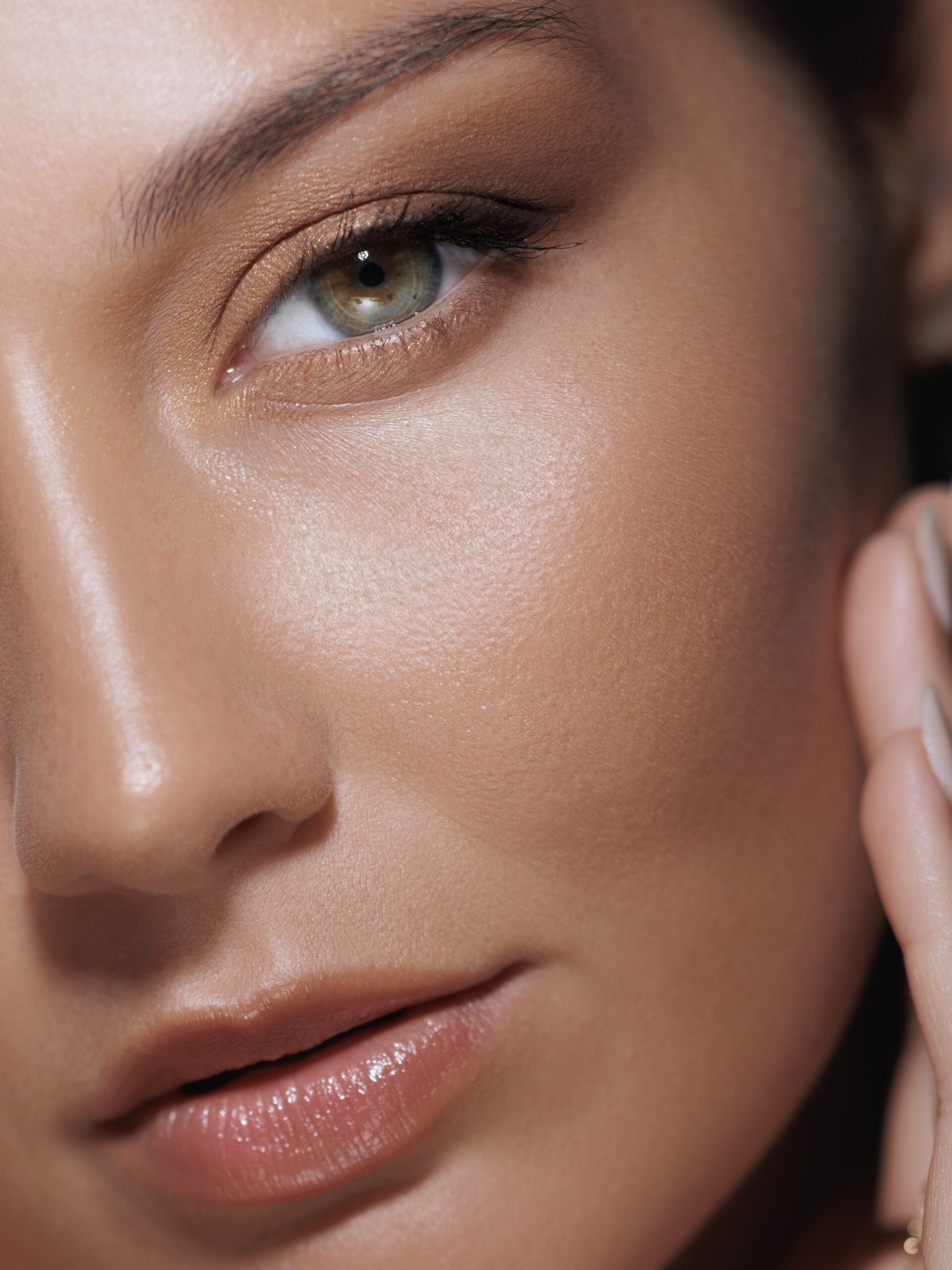

Considering blepharoplasty to improve the look of your eyes? You probably have a few questions before taking the next step, and that’s completely understandable. With this post, we will walk you through what patients most commonly want to know before booking a consultation, including how the procedure works and what recovery actually looks like. Whether you’ve noticed heaviness or drooping in your upper eyelids, under-eye puffiness that won’t go away, or you’re simply curious about your options, our goal is to make sure you feel confident and well-informed.
What Is Blepharoplasty?
Blepharoplasty is a surgical procedure that addresses excess skin, fat, and loose muscles along the upper eyelids, lower eyelid, or both to restore a more alert and youthful appearance. As part of the natural aging process, the skin around the eyes gradually loses elasticity, causing the eyelids to sag, droop, or develop puffy bags that can affect both appearance and, in some cases, peripheral vision.
The blepharoplasty procedure works by making a small incision along the natural crease of the eyelid, allowing the surgeon to carefully remove or reposition excess eyelid skin and fat. The result is a smoother, more refreshed look that complements your natural features. Blepharoplasty is a surgical procedure offered at Eye Consultants as part of our comprehensive approach to eye health and cosmetic care.
What Does Eyelid Surgery Treat?
Eyelid surgery addresses a range of concerns involving the upper eyelids and lower eyelids that develop with aging or genetics. For the upper lids, the primary concerns are typically drooping eyelids, excess skin that rests on the lashes, and sagging skin that can obstruct peripheral vision. For the lower lids, patients often seek help with under-eye bags, puffiness caused by repositioned fat, dark circles, and loose skin that contributes to a tired appearance.
In some cases, eyelid surgery alleviates functional symptoms, not just cosmetic ones, particularly when droopy eyelids interfere with a patient’s ability to see clearly. Your provider will evaluate both the functional and cosmetic aspects of your eyelids during your consultation to determine which approach best fits your needs.
Am I a Good Candidate for Eyelid Surgery?
A good candidate for eyelid surgery is generally someone in good health who has realistic expectations about what the procedure can achieve and who is experiencing changes along the upper eyelids or lower eyelid that are affecting their appearance or vision. Ideal candidates are also typically non-smokers, free from serious eye conditions, and do not have unmanaged medical conditions that could increase surgical risk. Patients who notice sagging upper eyelids, droopy eyelids, excess eyelid skin, or puffy bags under the eyes that have not responded to other approaches are also often strong candidates.
Age is less of a determining factor than overall health and the specific changes present in the eye area. The best way to know whether you are a candidate for eyelid surgery is to schedule a consultation with a qualified surgeon who can evaluate your eyelids, eye health, and medical history directly.
What Is Upper Blepharoplasty and Who Is It For?
Upper blepharoplasty is a surgical procedure focused specifically on the upper eyelids, designed to remove excess skin, reduce drooping skin, and restore a more open, alert appearance. It is one of the most commonly performed cosmetic surgery procedures and is well-suited for patients whose upper lids have become heavy or hooded due to aging or hereditary factors. In some patients, sagging upper eyelids can also affect peripheral vision, which may make upper eyelid surgery both a cosmetic and functional procedure.
Upper blepharoplasty involves a small incision placed along the natural crease of the upper lid, which helps keep any visible scar discreet during healing.
Patients interested in addressing the upper lids specifically should discuss their goals and eye conditions during a consultation to determine whether an upper blepharoplasty or a combined approach is most appropriate.
What Is Lower Blepharoplasty and How Is It Different?
Lower blepharoplasty is a surgical procedure that targets the lower eyelid to address under-eye bags, puffy bags caused by herniated fat, dark circles, loose skin, and wrinkles in the under-eye area. While upper blepharoplasty focuses on removing or tightening excess skin above the eye, lower blepharoplasty addresses the fat and skin below it. Lower lids often develop puffiness and hollowing over time as fat shifts and skin thins, and lower eyelid surgery can help restore a smoother, more rested look.
Some patients benefit from both upper and lower blepharoplasty performed during the same session, while others need only one. The approach used for lower blepharoplasty, whether through an external incision or an internal one, depends on the individual anatomy and concerns your surgeon identifies during evaluation.
What Can I Realistically Expect From Blepharoplasty Results?
Realistic expectations are an important part of preparing for blepharoplasty. Most patients notice a more alert, refreshed appearance with smoother skin around the eyes and reduced puffiness following surgery. The outcome depends on your skin quality, anatomy, the extent of correction performed, and how your body heals. Blepharoplasty is not designed to eliminate all wrinkles or address concerns beyond the eyelid area, and it does not stop future aging from occurring. For patients whose peripheral vision was affected by drooping eyelids, functional improvement is also a realistic outcome. During your consultation, your surgeon will discuss what is achievable for your specific anatomy and help you develop a clear picture of what natural-looking results may look like for you.
What Is Recovery Like After Eyelid Surgery?
Recovery after blepharoplasty typically involves swelling, bruising, and some temporary sensitivity around the eyelids for the first one to two weeks. Most patients are comfortable enough to resume light daily activities within seven to ten days. Your surgeon will provide specific guidance on how to care for the incision sites, manage swelling, and protect the eye area while you heal. Strenuous activity, heavy lifting, and rubbing the eyes should be avoided during the early recovery period. Temporary dryness or light sensitivity in the eyes is also possible as the eyelids heal. Final results typically become more visible as swelling subsides over several weeks, and in some cases, full healing continues over a few months. Following your provider’s post-operative instructions carefully will support the best possible outcome.
Are There Risks or Side Effects I Should Know About?
As with any surgical procedure, blepharoplasty carries potential risks that your surgeon will discuss with you before you proceed. Common side effects include temporary swelling, bruising, and mild discomfort in the days following surgery. Some of the less common side effects can include dry eyes, temporary changes in sensation, or asymmetry in healing. More serious complications, such as infection or changes to vision, are uncommon when surgery is performed by a qualified and experienced surgeon, though they are important to understand.
Patients with pre-existing eye conditions, medical conditions affecting healing, or a history of certain health issues may face a different risk profile and should share their full medical history during consultation. Your provider will help you weigh the potential risks against your goals so you can make a fully informed decision.
How Does Blepharoplasty Compare to a Brow Lift?
Blepharoplasty and a brow lift are related but distinct procedures that address different anatomical areas. Blepharoplasty focuses on removing or repositioning excess skin and fat along the upper eyelids or lower eyelid, while a brow lift is designed to raise the position of the brow itself and smooth the forehead. In some patients, what appears to be drooping upper eyelids is actually caused by brow descent, making a brow lift the more appropriate surgical procedure.
Does Insurance Cover Blepharoplasty?
Whether insurance covers blepharoplasty depends on whether the procedure is considered medically necessary or purely cosmetic. When drooping eyelids are documented to impair peripheral vision, upper eyelid surgery may qualify for partial insurance coverage after the appropriate testing and documentation are completed. Cosmetic blepharoplasty performed solely for appearance reasons is generally not covered by insurance. Coverage also varies significantly by plan, and the determination is made on a case-by-case basis.
Our team can help guide you through the process of understanding your coverage options and what documentation may be needed. For a personalized assessment of your situation, contact Eye Consultants at (302) 998-2333.
Why Choose Eye Consultants for Blepharoplasty in Delaware?
Eye Consultants offers something that is uncommon: the ability to receive both surgical and comprehensive eye care under one roof, with a team whose expertise spans medical and cosmetic eye health. Founded in 2009 by Dr. Heather Dealy, our practice has been serving patients across Delaware for over 15 years with a commitment to university-level care delivered in a warm, personalized setting. Our surgeons bring academic and teaching affiliations to their work, which means you benefit from a depth of clinical training that goes beyond routine practice. For patients pursuing blepharoplasty, this integrated approach matters because your eyelid health and your overall eye health are deeply connected. We invite you to schedule a consultation to discuss your goals with our team.
When Should I Schedule a Consultation?
If you are noticing changes in your upper eyelids or lower eyelid, such as sagging eyelids, under-eye bags, or excess skin that is affecting your appearance or your vision, a consultation is the natural next step. Researching the procedure is a valuable starting point, and we hope this page has helped answer your foundational questions. However, a personal evaluation is the only way to determine whether you are a good candidate, which surgical approach is appropriate, and what your realistic expectations should be.
At Eye Consultants, Dr. Heather Dealy and our experienced team take time to understand each patient’s goals, health history, and concerns before making any recommendations. To take the next step, call us at (302) 998-2333 or visit our contact page to request an appointment. We look forward to supporting you with the care you deserve.

About the Author: Dr. Heather Dealy
Dr. Dealy is a board-certified ophthalmic surgeon specializing in cataract and glaucoma care. She earned her BA from Bucknell University and her MD from Thomas Jefferson Medical College. After completing her internship at Yale and residency at SUNY Upstate, she completed a glaucoma fellowship at the Scheie Eye Institute, University of Pennsylvania. Practicing in Wilmington, Delaware since 2004, she joined Promise in Sight in 2020 to provide humanitarian eye care in Central America. She is a member of several ophthalmology societies and enjoys racquet sports, gardening, traveling, and reading.
Popular, Related Posts


Contact Us Today
Your health is our top priority and we look forward to assisting you in your eyecare journey. Please call the office at (302) 998-2333 or fill out our contact form to schedule your appointment.
Request Exam