


Quick Links

- Lenses For Your Lifestyle
- What Are Cataracts?
- What Causes Cataracts?
- How Do I Know If I Have A Cataract?
- Types Of Cataracts
- What Are Cataract Treatments?
- Not Ready For Cataract Surgery Yet?
- What Is Cataract Surgery?
- What To Expect
- What Lens Is Right For Me?
- What Are Premium Lenses?
- Schedule A Consultation
- Frequently Asked Questions
- Begin your Journey here
- Contact Us Today
- Real Patient recommended
- Next Level Eye Care & Cosmetics

Lenses for Your Lifestyle
See the places you want to visit, enjoy the hobbies you love, and experience meaningful moments with greater visual clarity. Cataract surgery can help you return to everyday life with renewed confidence in your vision.
What Are Cataracts?
A cataract develops when the natural lens inside your eye becomes cloudy. This cloudiness can make it harder to drive at night, read, travel, enjoy outdoor activities, or recognize the faces of the people you love. At Eye Consultants, our surgeons have performed thousands of successful cataract procedures and are committed to helping patients achieve vision that supports their lifestyles.
- About half of Americans over the age of 75 have cataracts.
- Cataract surgery is one of the most common procedures performed in the United States.
The procedure is performed on an outpatient basis and typically requires little anesthesia. You can return home the same day and begin focusing on your recovery. After careful measurements performed in our office, an Intraocular Lens (IOL) is inserted into the eye at the time of surgery. Cataract surgery can improve your vision and may reduce your dependence on glasses or contact lenses.
What Causes Cataracts?
Most cataracts are age-related and develop gradually as part of the natural aging process. A serious eye injury, diabetes, glaucoma, steroid use, and certain other medical factors may cause cataracts to form sooner.
How Do I Know If I Have a Cataract?
Early cataracts may not cause noticeable symptoms. As the lens becomes cloudier, everyday activities may start to feel more difficult. You might have trouble reading a menu, seeing road signs, driving at night, or enjoying time outdoors in bright sunlight.
Symptoms may include:
- Faded or washed-out colors
- Decreased night vision
- Glare and halos around lights, especially at night
- Sunlight or headlights that seem too bright
- Frequent changes to your glasses prescription
- Blurry vision
- Vision loss
Types of Cataracts
There are a few different types of cataracts, and they include the following:
- Age-related cataracts: Natural changes to the eyes as we age can lead to cataracts developing.
- Secondary cataracts: These types of cataracts are a complication of cataract surgery.
- Traumatic cataracts: Serious eye injury can damage your lens and cause a cataract to form.
- Radiation cataracts: Some forms of radiation can cause cataracts.
- Pediatric cataracts: Children can develop cataracts as well. It is very rare, and they are usually genetic.
What Are Cataract Treatments?
Updating your glasses prescription may temporarily improve vision when a cataract is mild. However, surgery is the only way to remove the cloudy lens. Cataract surgery may be recommended when vision changes keep you from driving comfortably, reading, working, traveling, or participating in the activities you enjoy.
A comprehensive eye examination with dilation allows Dr. Considine and Dr. Dealy to evaluate your cataracts, discuss how they affect your daily life, and determine whether surgery is appropriate.
Not Ready for Cataract Surgery Yet?
VIZZ® and QLOSI® are prescription eye drops that may help certain adults manage age-related blurry near vision, also called presbyopia. These drops do not remove cataracts or replace cataract surgery, but they may be an option if near-vision changes are your primary concern and you are not currently ready for a surgical procedure. Dr. Considine and Dr. Dealy can evaluate your vision and help determine whether either treatment fits your needs.
What Is Cataract Surgery?
During cataract surgery, Dr. Considine and Dr. Dealy remove the cloudy natural lens and replace it with an intraocular lens selected for your eyes and lifestyle. The goal is not only to address the cataract but also to help you see more comfortably while driving, reading, traveling, spending time outdoors, and enjoying everyday moments.
Cataract surgery is one of the most frequently performed procedures for Dr. Considine and Dr. Dealy. They work closely with each patient to select a lens and treatment plan based on their vision, eye health, and daily activities.

What to Expect
When preparing for cataract surgery, there are a couple of important things that you should know:
- Cataract surgery is a brief procedure performed at an outpatient surgery center.
- Most patients choose to receive mild intravenous sedation.
- You will return home after the procedure wearing a protective eye shield. You will also receive instructions for using eye drops while your eye heals.
- Discomfort is typically minimal. Many patients can return to light daily activities by the following day, although Dr. Considine and Dr. Dealy will provide personalized recovery instructions.
Some patients notice their vision becoming cloudy again months or years after cataract surgery. This is called a secondary cataract, and it happens when the thin capsule that holds your new lens becomes cloudy. It does not mean your cataract has come back, and it can usually be treated with a brief laser procedure.

What Lens Is Right for Me?
There is no single lens that is right for every patient. Your ideal lens depends on your eye health, vision goals, daily routine, and favorite activities. Someone who travels frequently or enjoys outdoor sports may have different priorities than someone who spends more time reading, crafting, or working on a computer.
Certain eye conditions, including glaucoma or retinal disease, may also affect which lenses are appropriate. At Eye Consultants, detailed measurements and a thoughtful conversation about your lifestyle help guide your lens selection.
Every patient approaches this decision a little differently. Some like to talk through each option and choose their lens in partnership with their surgeon, while others would rather hear a clear recommendation. Either way, Dr. Dealy and Dr. Considine will guide you through the process so you can feel confident in your choice.
What Are Premium Lenses?
Premium intraocular lenses are designed to provide a broader range of vision after cataract surgery. Depending on the lens selected, they may help reduce your reliance on glasses for activities such as driving, reading, checking your phone, seeing a golf ball, or exploring a new destination.
Multifocal and Extended Vision Lenses
Multifocal lenses are one of the most popular premium lens choices at Eye Consultants. They are designed for patients who want clear vision at more than one distance and less reliance on glasses after cataract surgery. Our surgeons most often use two advanced lenses from Alcon®, each with its own strengths.

Clareon® PanOptix® Pro Trifocal Lens: PanOptix Pro is a trifocal lens designed to provide clear vision up close, at arm’s length, and far away. For many patients, that means reading a menu, working on a computer, and driving or watching a grandchild’s ballgame, often without reaching for glasses. PanOptix Pro is the newest generation of PanOptix, the first trifocal lens approved by the FDA in the United States. It makes use of 94 percent of the light entering the eye, the highest reported among trifocal lenses, with half the light scatter of the original PanOptix. The result is crisp, high-contrast vision across the full visual range. It builds on the proven track record of the original PanOptix, which more than 99 percent of patients in a clinical study said they would choose again.
Clareon® Vivity® Extended Vision Lens: Vivity uses a non-diffractive design that gently extends your range of focus instead of splitting light into separate focal points. It provides sharp distance and intermediate vision with functional near vision, making it easy to check your phone, glance at your dashboard, or work on a laptop. Because Vivity does not split light, it is designed to keep halos and glare to a minimum, which can make it a strong choice for patients who drive often at night. In a clinical study, 94% of Vivity patients reported rarely or never needing glasses or contacts for distance, and more than 90% were satisfied with their vision. Some patients may still prefer readers for fine print.
The right choice depends on your eye health, how you spend your days, and which trade-offs matter most to you. As with any multifocal lens, PanOptix Pro may cause some patients to notice halos, glare, or starbursts around lights, especially at night. Certain eye conditions may also make one lens a better fit than another. Both lenses come in toric versions for patients with astigmatism. Dr. Dealy and Dr. Considine will review your measurements and goals with you to help you decide.
The Light Adjustable Lens
Eye Consultants is proud to offer the Light Adjustable Lens (LAL) by RxSight®, the first and only intraocular lens that can be adjusted after cataract surgery. With other lenses, the lens power is selected before surgery and cannot be changed. The Light Adjustable Lens is made of a special light-sensitive material, which allows your surgeon to fine-tune your vision after your eye has healed.
A few weeks after surgery, you will return to our Wilmington office for a series of brief, painless light treatments. During these visits, you can preview your vision and work with your surgeon to customize it for the way you live, whether that means clear distance vision for driving and golf or sharper near vision for reading and crafts. Once you are happy with your vision, a final treatment locks in the result. You will wear UV-protective glasses from the day of surgery until your treatments are complete.
Learn more about how this technology works on our Light Adjustable Lens page.
Before recommending a lens, the Eye Consultants team performs detailed diagnostic testing and a comprehensive eye evaluation. Dr. Considine and Dr. Dealy will explain your options in plain language and help you choose a lens that supports how you want to live.

Schedule a Consultation
Are vision changes making it harder to drive, travel, read, or enjoy your favorite activities? Whether you have already been diagnosed with cataracts or are just beginning to notice symptoms, Eye Consultants can help you explore your options. Call our Wilmington, DE office at 302-572-1845 or complete the Klara online scheduler to request your cataract consultation.
Eye Consultants proudly serves patients from Wilmington, Dover, Middletown, Newark, Smyrna, Townsend, and surrounding Delaware communities.
Frequently Asked Questions
At what stage should cataracts be removed?
Can a cataract be removed too early?
Can you have cataract surgery in one eye only?
How long does it take to recover from cataract surgery?
What is the average age for cataract surgery?
What is the success rate of cataract surgery?
What kind of sedation is used for cataract surgery?
What should I avoid after cataract surgery?
How can I prepare for cataract surgery?
Are you awake during cataract surgery?


Dr. Sean Considine
Board Certified Comprehensive Ophthalmologist
Dr. Sean Considine is a board-certified ophthalmologist who specializes in the inner structures of the eye, eye surgery, glaucoma, and retinal diseases. Throughout his education, Dr. Considine’s research has been published in a number of peer-reviewed research journals. He even has published a book of poetry. In addition to being an ophthalmologist, Dr. Considine also… Continue reading Dr. Sean Considine
Read More
Contact Us Today
Your health is our top priority and we look forward to assisting you in your eyecare journey. Please call the office at (302) 998-2333 or fill out our contact form to schedule your appointment.
Request Exam






Next Level
Eye Care &
Cosmetics
Comprehensive Services
From routine eye checks to glaucoma treatment to cataract surgery, our team at Eye Consultants provides a full range of eye care services to ensure each and every patient who walks through our doors receives the top-quality care they deserve.
View All
Comprehensive
Eye Services
Keeping up with your regular eye checkups is important to maintaining healthy eyes and catching any concerns before they turn into issues. Our comprehensive services allow us to monitor your eye health and provide guidance for treatments and maintenance.
Visit Page
Cosmetic
Procedures
Our team also offers cosmetic eye procedures, including blepharoplasty, dermal fillers, and Botox, so patients can simultaneously address their aesthetic concerns and their eye health.
Visit Page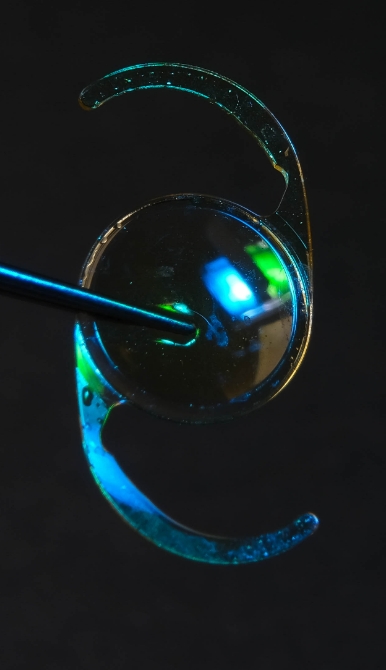
Surgery
If you’ve been diagnosed with cataracts, the only way to have a cataract removed is through surgery. Our surgeons have performed thousands of successful cataract surgeries and will make sure you are fully prepared for your procedure.
Visit Page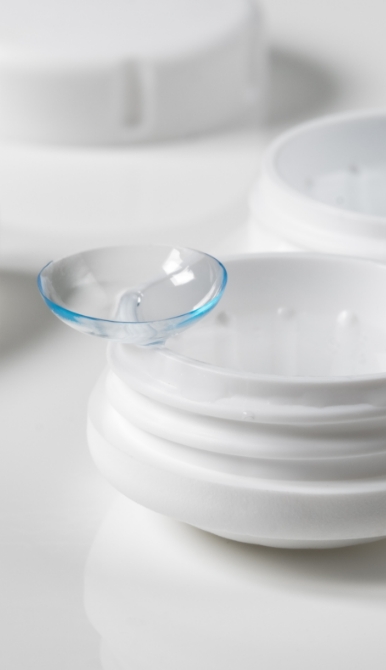
Contact Lenses
Properly fitting contact lenses are vital to not only your vision but also your eye health. We’ll help you determine if contact lenses are right for you and ensure your lenses fit so comfortably that you’ll forget they’re there.
Visit Page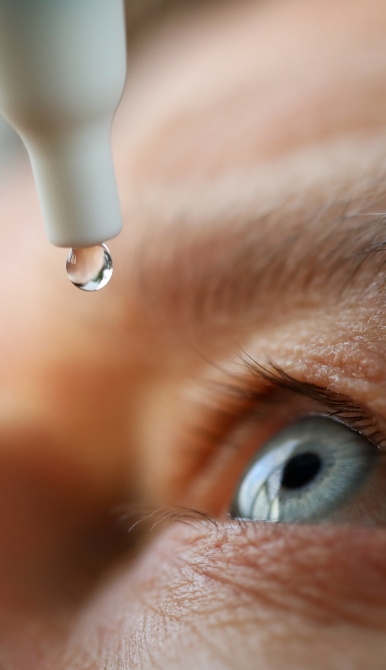
Dry Eye
Say goodbye to dry eyes with the help of Eye Consultants! We’ll determine the cause of your dry eyes and build a customized treatment plan to help you finally find the relief you deserve.
Visit Page
Eyewear
Currently at Eye Consultants we offer a full range of refractive services, including determining your glasses prescription. Coming soon in 2025, we will proudly offer optical solutions for our patients who need glasses.
Visit Page