


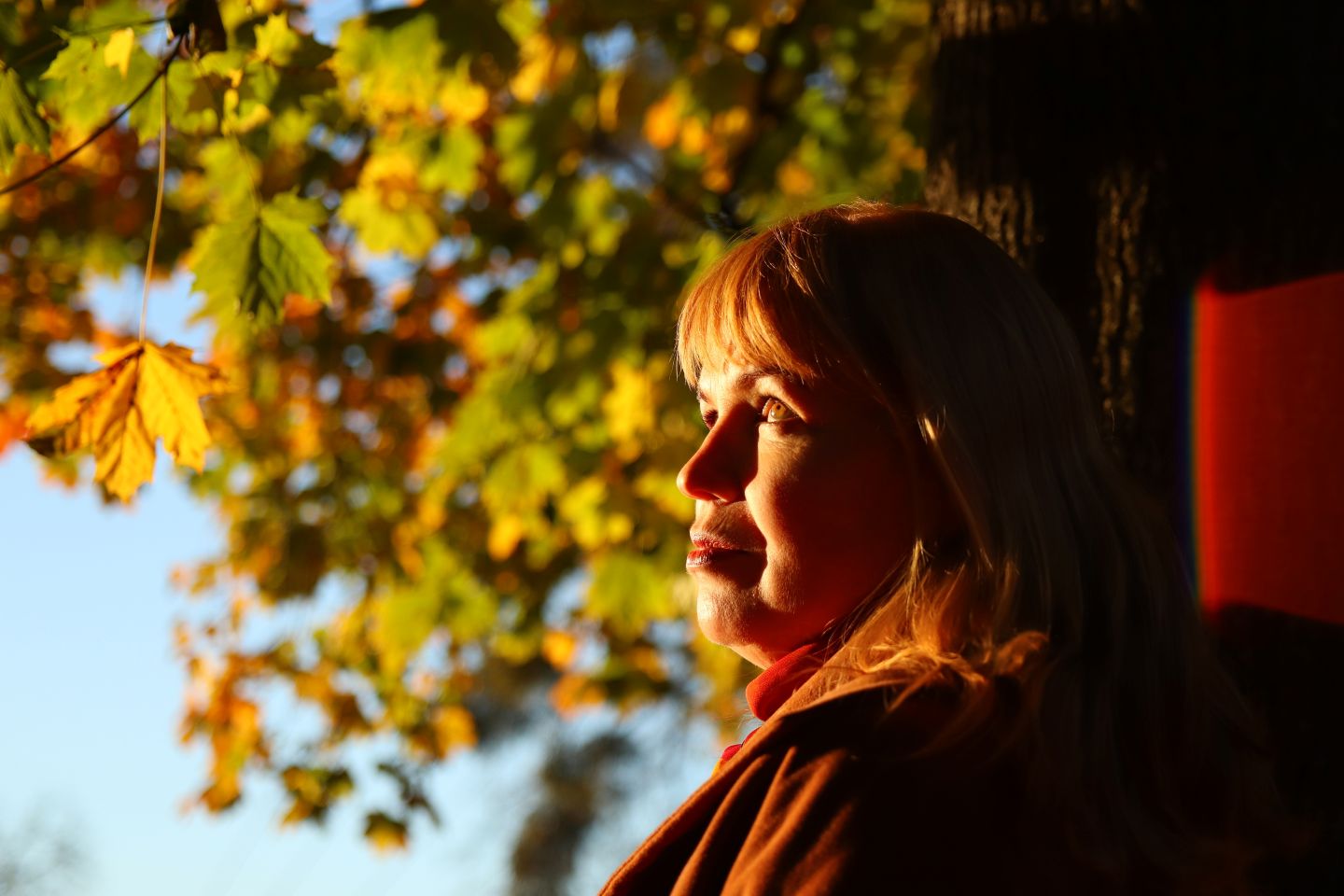

If your dry eyes feel worse in fall, you are not imagining it. Seasonal changes in temperature, humidity, and indoor air quality create a combination of conditions that commonly intensify dry eye symptoms for many people in the Carneys Point, NJ area and across the region. Understanding why autumn tends to bring more irritation, grittiness, and discomfort can help you take meaningful steps toward relief before symptoms become difficult to manage. This guide is designed for patients who are in research mode, looking for honest, practical answers about seasonal dry eye before deciding on next steps. If your symptoms are already interfering with your daily comfort, we encourage you to reach out to schedule a comprehensive evaluation. Contact us for details to speak with our team.
Why Dry Eyes Get Worse in Fall: The Seasonal Science
Dry eyes in fall are one of the most common concerns patients raise as temperatures begin to drop. Several overlapping environmental factors converge in autumn that can disrupt the stability of the tear film, the thin protective layer that keeps the surface of the eye lubricated and comfortable.
Lower Humidity Outdoors
As fall air becomes drier, the atmosphere pulls moisture from exposed surfaces, including the eyes. Reduced outdoor humidity accelerates tear evaporation, which means even people who manage dry eye well in spring and summer may notice a shift in symptoms come October.
Indoor Heating Systems
When heating systems switch on for the season, indoor air quality changes significantly. Forced-air heating reduces ambient humidity indoors, sometimes dramatically. Spending hours in a heated room can be just as drying to the ocular surface as being exposed to wind outdoors.
Wind and Allergens
Fall winds can accelerate tear evaporation, while airborne particles such as ragweed pollen, mold spores from fallen leaves, and other seasonal allergens may trigger inflammation on the ocular surface, compounding the dryness cycle.
For patients who also wear contact lenses, fall conditions can make lens wear significantly less comfortable. A thorough routine eye exam is often the right first step to assess what is driving symptoms and whether your current management approach still fits the season.
Understanding the Tear Film and Why Fall Disrupts It
Dry eyes in fall are rooted in what happens to the tear film when its delicate balance is disturbed. The tear film is composed of three layers: an outer lipid layer that slows evaporation, a middle aqueous layer that provides hydration, and an inner mucin layer that keeps the film anchored to the eye’s surface. When any of these layers is compromised, the result is instability, discomfort, and increased sensitivity.
Meibomian Gland Function and the Lipid Layer
The lipid layer of the tear film is produced by the meibomian glands along the eyelid margin. In cooler temperatures, the oils these glands produce can thicken slightly, reducing their ability to spread evenly across the tear surface. This is one reason why many patients find their dry eye symptoms peak in fall and winter rather than in summer.
Aqueous Deficiency vs. Evaporative Dry Eye
There are two primary forms of dry eye. Aqueous deficient dry eye means the eye is not producing enough tears. Evaporative dry eye, the more common form, occurs when tears evaporate too quickly due to poor lipid layer function or environmental conditions. Fall’s low humidity and indoor heating tend to worsen evaporative dry eye in particular. Understanding which type you experience helps guide the most effective approach to relief, which is why a clinical evaluation matters more than self-diagnosing based on symptoms alone.
If you are also managing another eye health condition alongside dry eye, such as glaucoma, it is worth knowing that some glaucoma eye drop medications can contribute to ocular surface dryness. Reviewing all aspects of your eye health together, as part of a comprehensive care relationship, helps ensure nothing is working against your comfort.
Seasonal Dry Eye Relief Options Worth Discussing With Your Provider
Managing dry eyes in fall often requires a layered approach that accounts for both your individual tear film profile and the specific environmental conditions of the season. No single solution works for every patient, and the right combination for you depends on factors your eye care provider can assess in a clinical setting.
Environmental Modifications
Adding a humidifier to your bedroom or main living area can meaningfully raise indoor humidity levels, helping to slow tear evaporation during hours when heating systems are running. Positioning yourself away from direct heating vents and taking regular screen breaks using the 20-20-20 rule may also help reduce symptom load.
Lubricating Eye Drops and Gels
Over-the-counter artificial tears can provide short-term relief, though preservative-free formulations are generally better tolerated with frequent use. For more persistent symptoms, thicker gel drops used at bedtime may help maintain overnight hydration. Your provider can help you evaluate which formulation is most appropriate for your specific dry eye type.
In-Office Treatment Options
For patients whose symptoms are more persistent or whose tear film instability is linked to meibomian gland dysfunction, in-office treatment options may be appropriate to discuss. These may include warm compress protocols, lid hygiene regimens, or prescription anti-inflammatory therapies. In our practice, we find that patients who seek evaluation early in the fall season tend to manage their symptoms more comfortably throughout the colder months.
Patients who have had cataract surgery may also notice that their dry eye symptoms fluctuate seasonally, particularly in the months following surgery. A follow-up conversation with your ophthalmologist can help clarify what you are experiencing and whether any adjustment to your care routine is warranted.
Why Choose Eye Consultants for Dry Eye Care Near Carneys Point, NJ?
Eye Consultants has been serving patients in Wilmington, Delaware and the surrounding region, including those traveling from Carneys Point, NJ, since the practice was founded in 2009 by Dr. Heather Dealy. With more than 15 years of combined expertise and a team of board-certified ophthalmologists and optometrists affiliated with academic and teaching institutions, the practice brings university-level care to a warm, private practice setting.
What sets Eye Consultants apart is the breadth of care available under one roof. From comprehensive routine eye exams to surgical options and specialized dry eye evaluation, patients do not need to coordinate care across multiple offices. The team approaches every visit with genuine attention to your comfort and concerns, never rushing through what matters to you. If you are ready to better understand what is driving your dry eye symptoms this fall, we invite you to contact Eye Consultants and schedule your evaluation.
Frequently Asked Questions About Dry Eyes in Fall
Can seasonal allergies make dry eye symptoms worse in fall?
Yes, fall allergens such as ragweed pollen and mold spores from decaying leaves can trigger ocular surface inflammation that compounds dry eye discomfort. Allergy-related eye symptoms and dry eye often overlap, which can make self-management more challenging. An eye care provider can help distinguish between the two and recommend an approach that addresses both concerns together rather than treating them separately.
How do I know if my dry eye needs professional treatment or just over-the-counter drops?
If over-the-counter artificial tears are not providing adequate relief, if your symptoms are affecting your ability to read, work, or drive comfortably, or if you are experiencing redness, sensitivity to light, or a gritty sensation that persists, those are signals worth discussing with an eye care provider. Dry eye can range from mild and easily managed to more complex, and a clinical evaluation helps determine which category applies to your situation.
Does screen time make seasonal dry eye worse?
Research suggests that prolonged screen use reduces blink rate, which in turn accelerates tear evaporation. In fall and winter, when indoor heating is already lowering ambient humidity, reduced blinking during extended screen sessions may worsen symptoms noticeably. Taking regular breaks and positioning screens slightly below eye level may help, though these measures work best alongside a broader dry eye management plan developed with your provider.
I had cataract surgery earlier this year. Is it normal for dry eye to flare up in fall?
Dry eye is a recognized side effect that some patients experience following cataract surgery, and seasonal conditions can influence how prominent those symptoms feel. If you had surgery earlier in the year and are noticing increased dryness as fall arrives, this is worth mentioning at your next appointment. Your care team can assess whether the ocular surface is healing as expected and whether any adjustments to your post-operative regimen would be helpful.
Are there dry eye evaluation services available near Carneys Point, NJ?
Eye Consultants in Wilmington, Delaware is accessible to patients traveling from Carneys Point, NJ and surrounding communities in the region. The practice offers comprehensive eye care services, including dry eye evaluation as part of a thorough exam. You can learn more about available eye care services or reach out directly to discuss scheduling an appointment with a member of the team.
Ready to Find Relief for Your Dry Eyes This Fall?
If dry eyes that are worse in the fall are affecting your daily comfort near Carneys Point, NJ, the team at Eye Consultants in Wilmington, Delaware is here to help. With board-certified expertise, compassionate care, and a full range of services under one roof, we make it easy to get the answers you need this season. Contact us today to schedule your evaluation or book online and take the next step toward feeling more comfortable.

About the Author: Dr. Heather Dealy
Dr. Dealy is a board-certified ophthalmic surgeon specializing in cataract and glaucoma care. She earned her BA from Bucknell University and her MD from Thomas Jefferson Medical College. After completing her internship at Yale and residency at SUNY Upstate, she completed a glaucoma fellowship at the Scheie Eye Institute, University of Pennsylvania. Practicing in Wilmington, Delaware since 2004, she joined Promise in Sight in 2020 to provide humanitarian eye care in Central America. She is a member of several ophthalmology societies and enjoys racquet sports, gardening, traveling, and reading.
Popular, Related Posts
Contact Us Today
Your health is our top priority and we look forward to assisting you in your eyecare journey. Please call the office at (302) 998-2333 or fill out our contact form to schedule your appointment.
Request Exam