


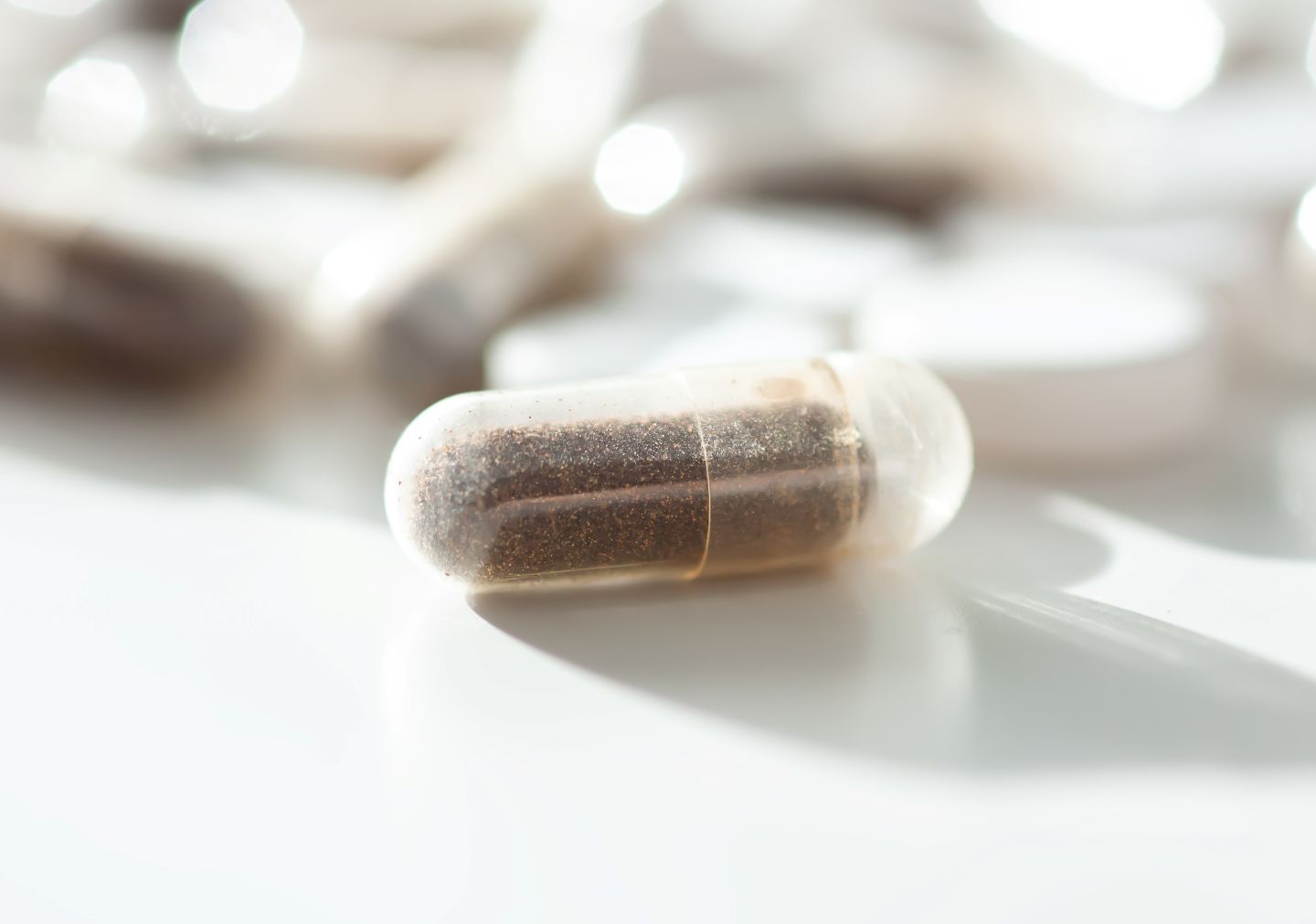

If you are one of my glaucoma patients, you may have heard about nicotinamide supplementation and wondered whether it is something worth considering. It is a question I am hearing more often in my practice here in Delaware, and the research behind it is genuinely worth understanding. Here is what we know, what the science says, and what to be cautious about before making any decisions.
What Is Nicotinamide?
Nicotinamide is a form of vitamin B3, one of the essential B vitamins found naturally in foods like meat, fish, eggs, and green vegetables. What makes it particularly interesting from an eye health standpoint is what your body does with it after you consume it.
When nicotinamide enters your cells, your body converts it into a molecule called NAD+, which stands for nicotinamide adenine dinucleotide. NAD+ powers the mitochondria, the energy factories found inside nearly every cell in your body, including the retinal ganglion cells in your eye. Those are the exact cells that glaucoma damages over time.
How Does Nicotinamide Relate to Glaucoma?
Glaucoma is a progressive disease that damages the optic nerve, often as a result of elevated eye pressure. Traditional glaucoma treatments focus on lowering that pressure through eye drops, laser procedures, or surgery. While those approaches are effective at slowing the disease, researchers have long been searching for ways to also protect the nerve cells themselves.
This is where nicotinamide comes in. As we age, our NAD+ levels naturally decline. Researchers believe this decline may make the retinal ganglion cells in our optic nerve more vulnerable to damage, even when eye pressure is being well managed. By replenishing NAD+ through nicotinamide supplementation, the theory is that those cells may become more resilient and better able to withstand the stress that glaucoma places on them.
What Does the Research Show?
Some of the most striking early results came from animal studies. In a mouse model of glaucoma, nicotinamide supplementation was remarkably protective. At the highest dose tested, 93% of eyes did not develop glaucoma. Those findings were published in the journal Science in 2017 and generated significant interest in the ophthalmology community.
On the human side, two small but encouraging clinical trials have been completed:
- A phase 2 trial at Columbia University found that patients taking 3 grams per day showed measurable improvement in visual field testing, one of the key tools used to monitor glaucoma progression.
- A separate trial in Australia found improved inner retinal function using electroretinography, a test that measures the electrical activity of the retina.
While neither trial was large enough to draw definitive conclusions, both pointed in a promising direction. Several larger phase 2 and 3 clinical trials are now underway around the world, with over 1,300 participants enrolled combined. These trials will give us a much clearer picture of how effective nicotinamide is and which patients are most likely to benefit.
Is Nicotinamide Safe to Take?
This is where it is important to be straightforward. In the clinical trials using 3 grams per day, two cases of drug-induced liver injury were reported. Both were caught early because participants were being closely monitored with regular liver function tests.
In 2025, the American Glaucoma Society and the American Academy of Ophthalmology issued a joint position statement with the following guidance:
- Doses of 3 grams per day or more should not be used outside of a clinical trial setting
- Regular liver function monitoring is required at these doses
- Anyone with a history of liver disease should not take nicotinamide supplements
This guidance is important and I take it seriously when counseling my patients.
Why This Research Matters for Glaucoma Care
For the first time, researchers are exploring glaucoma treatments that go beyond simply lowering eye pressure. The goal is neuroprotection, meaning actively protecting the nerve cells themselves and possibly supporting some degree of recovery. That represents a meaningful shift in how we approach this disease.
If successful, treatments like nicotinamide could one day be used alongside traditional pressure-lowering therapies to give patients an added layer of protection. For patients whose glaucoma continues to progress despite well-controlled eye pressure, that kind of additional support could make a real difference in preserving long-term vision.
The science is still early, but the direction is promising. We will continue to follow this research closely and share updates as new findings become available.
Should You Start Taking Nicotinamide?
At this time, I am not recommending that patients take high-dose nicotinamide on their own outside of a supervised clinical setting. The safety concerns are real, and without regular liver function monitoring, the risks are not worth taking.
That said, there are steps you can take right now:
- Talk to your ophthalmologist and your primary care doctor before starting any supplement
- If a lower dose is being considered, make sure both doctors are involved in that decision
- Make sure liver function monitoring is part of the plan
- If you have any history of liver disease, avoid nicotinamide supplementation entirely
Glaucoma care is always evolving, and staying informed is one of the best things you can do for your long-term eye health.
If you have questions about nicotinamide for glaucoma, your current treatment plan, or glaucoma management in general, our team at Eye Consultants of Delaware is here to help. Schedule an appointment today and let’s talk about what’s right for you.

About the Author: Dr. Heather Dealy
Dr. Dealy is a board-certified ophthalmic surgeon specializing in cataract and glaucoma care. She earned her BA from Bucknell University and her MD from Thomas Jefferson Medical College. After completing her internship at Yale and residency at SUNY Upstate, she completed a glaucoma fellowship at the Scheie Eye Institute, University of Pennsylvania. Practicing in Wilmington, Delaware since 2004, she joined Promise in Sight in 2020 to provide humanitarian eye care in Central America. She is a member of several ophthalmology societies and enjoys racquet sports, gardening, traveling, and reading.
Popular, Related Posts


Contact Us Today
Your health is our top priority and we look forward to assisting you in your eyecare journey. Please call the office at (302) 998-2333 or fill out our contact form to schedule your appointment.
Request Exam