


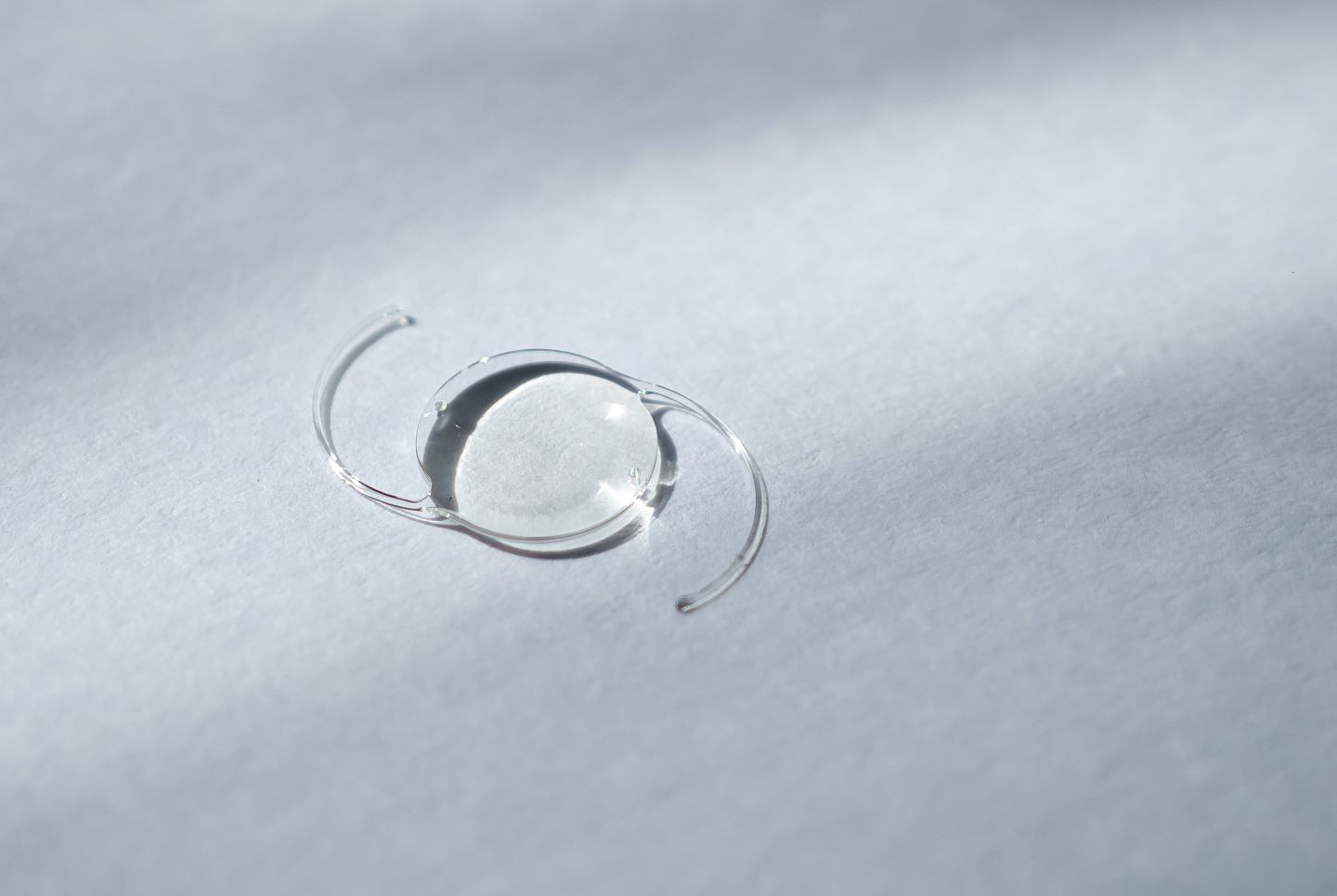

Cataracts are a common part of aging that can gradually affect your vision. They occur when the natural lens of the eye becomes cloudy, making it harder to see clearly. Early detection and treatment are important to maintain quality of life and prevent vision from deteriorating. Understanding your options for cataract surgery can help you make informed decisions about your care.
What Cataract Surgery Involves
Cataract surgery is a safe and effective procedure that removes the cloudy lens and replaces it with an artificial lens called an intraocular lens. The surgery is typically performed on an outpatient basis and takes less than an hour. Most patients experience improved vision within a few days, and full recovery is usually complete within a few weeks.
Traditional Cataract Surgery
Traditional cataract surgery uses advanced surgical techniques to remove the clouded lens and replace it with a standard monofocal intraocular lens. These lenses typically focus at one distance, most often for clear distance vision. While patients may still need glasses for reading or close work, traditional surgery offers reliable results and has a long history of success.
Premium Intraocular Lenses
For patients who want to reduce their dependence on glasses, premium intraocular lenses are an option. These lenses are designed to provide clear vision at multiple distances. Some premium lenses also correct astigmatism, helping patients see more clearly without additional prescription lenses. Choosing a premium lens depends on your lifestyle, visual needs, and discussion with your eye doctor.
Light Adjustable Lens
A newer option for cataract surgery is the Light Adjustable Lens. This innovative lens allows your eye care provider to fine-tune your vision after surgery using targeted light adjustments. The Light Adjustable Lens offers precise customization, giving patients a higher chance of achieving their ideal vision. This option may be particularly beneficial for patients with unique vision requirements or previous eye conditions.
Preparing for Surgery
Before surgery, your eye doctor will conduct a thorough evaluation. This includes measuring your eyes, reviewing your health history, and discussing your vision goals. You may be asked to stop certain medications temporarily and follow specific preoperative instructions to ensure the best outcomes.
Recovery After Surgery
Recovery from cataract surgery is generally straightforward. Most patients notice clearer vision within a few days, though it may take a few weeks for vision to stabilize completely. Your doctor will provide instructions on using eye drops, protecting your eyes, and avoiding activities that could strain your eyes during healing. Follow-up visits are important to monitor your progress and address any questions or concerns.
Making the Right Choice
Choosing the right cataract surgery option is a personal decision that depends on your lifestyle, vision needs, and overall eye health. Your eye care provider can guide you through the options, explaining the benefits and considerations of each lens type and surgical approach. The goal is to achieve the best possible vision while maintaining comfort and safety throughout the process.
Next Steps
If you notice changes in your vision or have been diagnosed with cataracts, scheduling a consultation is the first step toward clearer vision. At Eye Consultants of Wilmington, Delaware we can help you understand your options, answer your questions, and create a personalized plan for your cataract care. With modern advancements in cataract surgery, many patients enjoy improved vision and renewed confidence in their daily activities.

Popular, Related Posts



Contact Us Today
Your health is our top priority and we look forward to assisting you in your eyecare journey. Please call the office at (302) 998-2333 or fill out our contact form to schedule your appointment.
Request Exam