



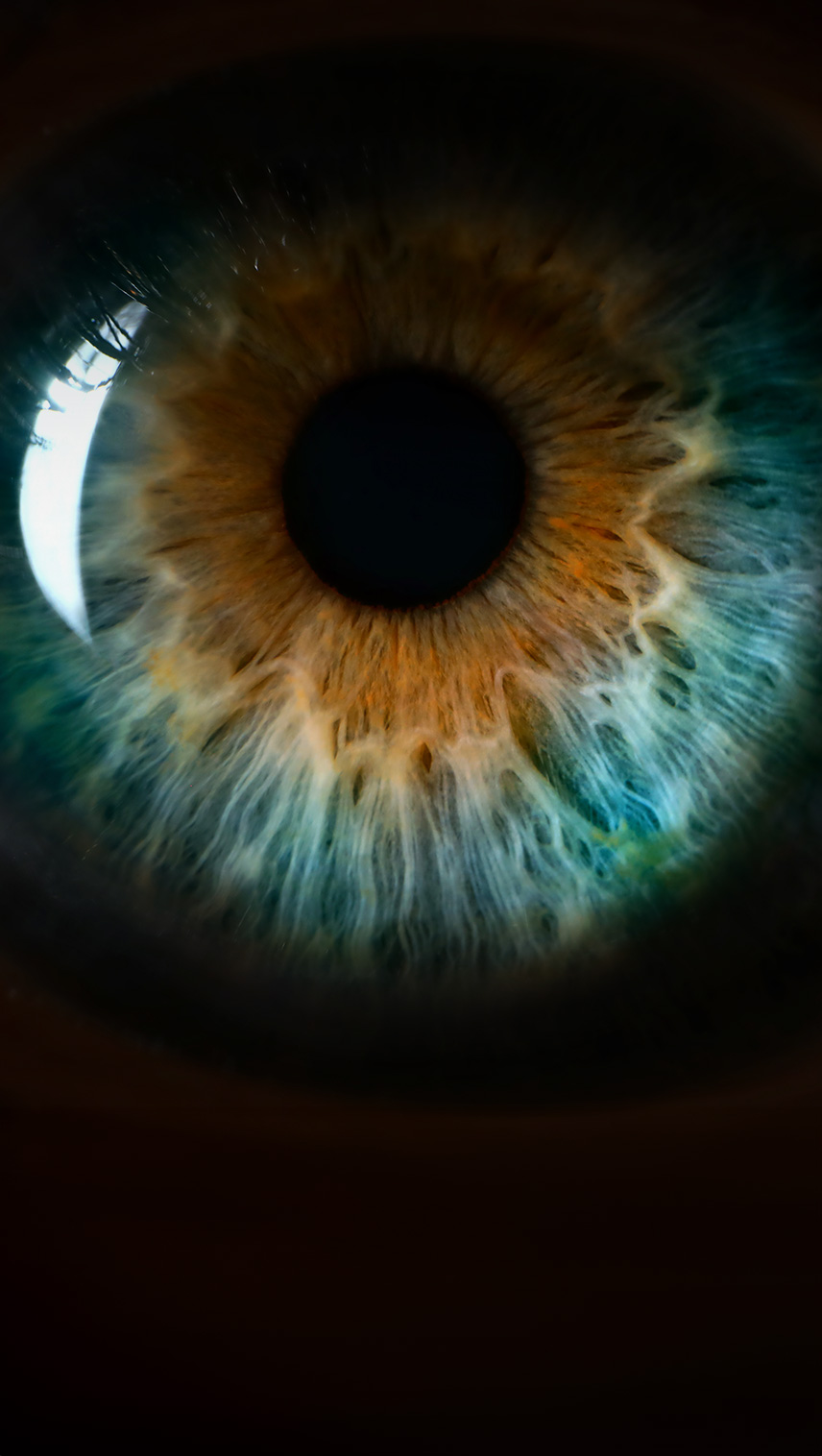

Dry eye disease is one of the most common eye conditions affecting adults today, and yet it is frequently undertreated or misunderstood. If you have been experiencing persistent discomfort, burning, redness, or a gritty sensation that simply will not go away, you are not alone, and your concerns deserve thoughtful, personalized attention.
This page is designed for patients who are actively researching their options and want honest, clear information before scheduling an appointment. At Eye Consultants in Wilmington, DE, our experienced team is here to guide you from your very first question through every step of care.
Request an exam to get started.
Understanding Dry Eye Disease: What Is Really Happening in Your Eyes
Dry eye disease occurs when the eyes do not produce enough tears, or when the tears they do produce evaporate too quickly to keep the surface of the eye adequately lubricated. Tears are not simply water; they are a complex three-layer film made up of a mucus layer, a watery layer, and an oily outer layer. When any part of this system is disrupted, the result can be chronic discomfort, fluctuating vision, and sensitivity to light or wind.
The Two Main Types
Aqueous-deficient dry eye occurs when the lacrimal glands do not produce a sufficient volume of tears. Evaporative dry eye, which is more common, stems from a dysfunction of the meibomian glands (MGD), the tiny oil-producing glands along the eyelid margin that help prevent tear evaporation. Many patients experience a combination of both, which is why a thorough evaluation matters so much.
Contributing factors may include screen time, certain medications, contact lens wear, hormonal changes, and environmental conditions. Delaware’s variable climate, with cold, dry winters and humid summers, can also play a role in how symptoms fluctuate throughout the year. Understanding the underlying cause of your specific dry eye condition is the foundation of any effective care plan, which is why our team at Eye Consultants takes time to listen and evaluate carefully before recommending next steps. You can also explore our full range of eye care services in Wilmington, Delaware to see how comprehensive care supports your overall eye health.
Dry Eye Treatment in Wilmington, DE: From Everyday Habits to Advanced Care
There is a meaningful range of approaches that may help manage dry eye disease, and most patients find significant relief with the right combination of therapies. Treatment is rarely one-size-fits-all; it is a collaborative process between you and your provider.
Supportive Measures
For mild to moderate dry eye, supportive measures are often a helpful starting point. Preservative-free artificial tear drops, warm compresses applied to the eyelids, and omega-3 fatty acid supplementation may help reduce symptoms. Adjustments to your environment, such as using a humidifier or taking regular screen breaks, can also make a meaningful difference. Patients who wear contact lenses may benefit from exploring specialty lens options; our team is happy to discuss those during your visit, and you are welcome to browse our contact lenses page for more information.
In-Office and Prescription Therapies
When supportive measures are not enough, prescription anti-inflammatory eye drops may help address the underlying inflammation that contributes to dry eye disease. In-office procedures targeting meibomian gland dysfunction (MGD), such as thermal pulsation therapy or intense pulsed light (IPL) treatment, have shown promising results in research and may be appropriate for some patients. Punctal plugs, small devices inserted into the tear drainage canal to help retain moisture, are another option your provider may discuss. At Eye Consultants, we believe in presenting every patient with clear, complete information so that care decisions feel informed and comfortable. Results vary based on the type and severity of dry eye present.
Living With Dry Eye Disease: Long-Term Management and When to Seek Care
Dry eye disease is typically a chronic condition, which means that managing it well over time matters just as much as addressing immediate discomfort. Many patients find that once they identify their triggers and establish a consistent care routine, their quality of daily life improves considerably. Ongoing communication with your eye care provider remains important as your needs change over time.
Monitoring Your Eye Health Holistically
Because dry eye disease can sometimes occur alongside other conditions, your provider may recommend evaluating the broader health of your eyes during your visit. For example, patients with certain systemic health conditions, such as diabetes, may experience dry eye as part of a wider picture; our team offers diabetic eye exams and treatment in Wilmington, Delaware as part of our comprehensive care services.
Routine eye exams are a valuable opportunity to track how your dry eye is responding to treatment and to adjust your care plan as needed. Patients who stay engaged with regular follow-up appointments tend to manage their symptoms more effectively over time. If you have been putting off scheduling a visit because your symptoms feel manageable on some days, know that early, consistent attention to dry eye disease often produces better long-term comfort than waiting until symptoms become more persistent. Our team is here to support you at every stage, with the thorough, personalized attention that our academic-affiliated providers and private practice setting make possible.
Why Choose Eye Consultants for Dry Eye Care in Wilmington, DE?
Eye Consultants was founded in 2009 by Dr. Heather Dealy, and our practice has been serving the Wilmington, Delaware community for more than 15 years. Our team of ophthalmologists and optometrists brings decades of combined experience and maintains affiliations with the American Academy of Ophthalmology, reflecting a commitment to staying at the forefront of eye care knowledge and standards.
What sets our practice apart is the ability to offer both surgical and comprehensive medical care in one location, in an environment designed to feel personal and welcoming. Whether your dry eye disease requires supportive measures, advanced in-office therapies, or simply a thorough evaluation to understand what is driving your symptoms, you will receive attentive, individualized care from providers who genuinely take time to listen. We invite you to meet the Eye Consultants team and learn more about the people who will be caring for you. You can also read what our patients are saying on our testimonials page.
Frequently Asked Questions About Dry Eye Disease
The questions below reflect what we hear most often from patients exploring dry eye care for the first time.
How do I know if I have dry eye disease or just occasional eye irritation?
Occasional eye irritation from a single cause, such as allergies or a dusty environment, typically resolves on its own. Dry eye disease tends to involve persistent symptoms, including burning, redness, a gritty or sandy feeling, or fluctuating vision, that occur regularly and are not tied to one specific trigger. If your symptoms have been ongoing for several weeks or are affecting your daily activities, a comprehensive eye exam can help clarify what is happening and guide next steps.
Can wearing contact lenses make dry eye disease worse?
For some patients, contact lens wear can contribute to or worsen dry eye symptoms by reducing oxygen flow to the cornea or disrupting the tear film. This does not mean you must give up contact lenses entirely. Specialty lens options, updated wearing schedules, or lubricating drops designed for contact lens use may help. Your provider can evaluate your specific situation and recommend an approach that supports both comfort and clear vision. Learn more on our contact lenses page.
Is age-related dry eye more common as we get older?
Research suggests that dry eye becomes more prevalent with age, in part because tear production may naturally decline over time and hormonal changes, particularly in women after menopause, can affect tear composition. That said, dry eye disease affects people across a wide range of ages, including younger adults who spend significant time on screens. A thorough evaluation helps identify the factors most relevant to your individual situation so that care can be tailored accordingly.
Are there treatments for dry eye disease covered by insurance?
Coverage for dry eye disease treatments varies depending on your insurance plan and the specific therapies recommended. Many diagnostic evaluations and prescription treatments may be covered, while certain in-office procedures may be considered elective by some plans. Our team is happy to help you understand your options. You can also review our insurance information page or contact us directly to ask about your specific coverage before your appointment.
Does Eye Consultants treat dry eye disease as a standalone concern, or only as part of a broader exam?
Our team welcomes patients who are coming in specifically because of dry eye symptoms, as well as those who mention dry eye during a routine or comprehensive visit. Dry eye disease is a meaningful condition that deserves dedicated attention, and we will take the time to evaluate it properly regardless of how you come to us. Request an exam at any time, and our team will ensure your concerns are addressed thoroughly.
Ready to Find Relief? Schedule Your Dry Eye Evaluation in Wilmington, DE
If dry eye disease has been affecting your comfort or daily life, the team at Eye Consultants is ready to help. We offer personalized evaluations and a full range of care options in a welcoming, unhurried environment. Most appointments are available within the week. Request an exam online or contact us today to schedule your visit. Your comfort matters, and we are here to support you.