


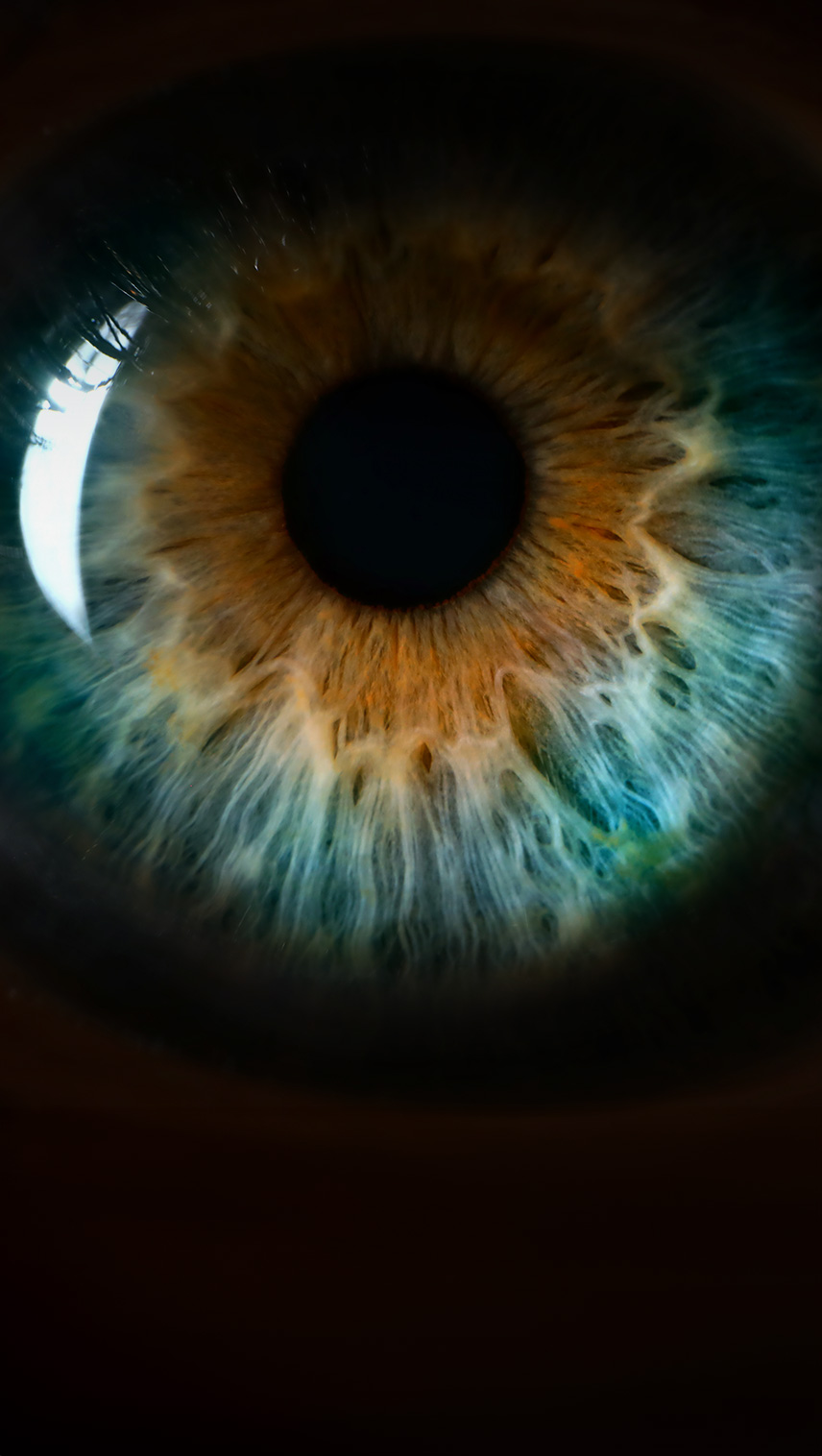

A drooping upper eyelid can make you look tired when you are not, and in some people it starts to crowd the top of their field of vision. There are two very different ways to address it. Upneeq is a prescription eye drop that lifts the lid for part of the day. Blepharoplasty is surgery that removes excess skin, muscle or fat for a lasting change. Eye Consultants in Wilmington offers both, which means the first conversation can be about the cause of your droop rather than about selling one answer. This guide lays out how each option works and the questions that usually decide between them.
Two Different Kinds of Droop
Not every heavy lid has the same cause. In ptosis, the eyelid itself sits lower than it should, often because the muscles that hold it up have weakened or stretched. In other people, the lid is in the right place but loose skin and fat fold over it, creating a hooded look. Many people have some of both. Telling them apart is the first job of an evaluation, because a drop can help one problem and not the other.
How Upneeq Lifts the Lid
Upneeq is an FDA-approved prescription eye drop for drooping upper eyelids. Its active ingredient, oxymetazoline hydrochloride, causes a small muscle in the upper lid to contract, which raises the lid and makes the eye look more open.
- It is used as one drop in one or both eyes once a day.
- If you wear contact lenses, take them out before applying it.
- The lift is temporary, so it is a daily routine rather than a one-time fix.
Upneeq should be avoided by people taking beta-blockers, medications for high blood pressure or MAOIs. Bring a complete list of your medications, including any glaucoma drops, so your provider can check before prescribing it.
What Blepharoplasty Changes
Blepharoplasty reshapes the eyelid surgically. For the upper lid, the incision is made in the natural crease, and excess skin, muscle and fat are removed. The procedure takes anywhere from 45 minutes to two hours, depending on what is being done. Besides improving appearance, removing sagging skin can help when it is reducing your peripheral vision.
Recovery involves swelling, bruising, some discomfort, light sensitivity and blurred vision that settle over days and weeks. Most people take one to two weeks off work and limit strenuous activity for four to six weeks. Final results can take a few months to appear.
Side by Side: Drop or Surgery
- Effect: Upneeq gives a temporary lift each day; surgery makes a lasting structural change.
- Downtime: none with the drop; one to two weeks off work after surgery.
- Commitment: a daily drop versus a single procedure and recovery period.
- Best suited to: the drop to a lid that sits low; surgery to excess skin and fat, or a combination of problems.
Signs the Drop May Be Enough
Upneeq can be a sensible place to start if your main concern is a lid that sits a little low, you would rather avoid surgery, or you want to see how a lift changes your appearance before deciding on anything permanent. It also suits people who cannot take time away from work right now.
Signs Surgery Deserves a Look
Surgery is usually the stronger option when loose skin is folding over the lid, when puffiness or bags are part of the picture, or when the heaviness is getting in the way of your vision. Good candidates for blepharoplasty are generally adults, usually over 30, in good health, who don’t smoke and have realistic expectations. Serious eye conditions need to be addressed first. If lower-lid bags also bother you, lower blepharoplasty can be done at the same time.
What the Evaluation Covers
Your visit starts with your medical and eye history and a look at how your lids sit and move. Your provider will check whether the droop comes from the lid position, the skin above it or both, and whether it affects your vision. Then comes the conversation that matters most: what bothers you, how much change you want and how you feel about a daily drop compared with a recovery period. Many people find the decision becomes obvious once they understand which problem they actually have.
It can help to bring a few older photos of yourself. They show how your lids have changed over time and make it easier to talk about what you would like to look like. Note when the heaviness bothers you most, for example late in the day, when reading or when driving, since that can point to whether vision is involved.
If you are curious about other cosmetic treatments around the eyes, the practice also offers Botox and other options listed on the cosmetic procedures page.
Questions Before You Choose
Do I need a prescription for Upneeq?
Yes. Your eye care provider needs to evaluate your eyelids and review your medications before prescribing it.
Can I try Upneeq first and have surgery later?
Yes. Using the drop does not rule out surgery. Some people use it to see how a lifted lid looks before deciding on a permanent change.
Will insurance cover either option?
It depends on your plan and the reason for treatment. A droop that affects your vision is evaluated differently from a purely cosmetic concern. Check the practice’s insurance page and ask the team before you decide.
Is eyelid surgery painful?
Anesthesia is given at the start of the procedure so you are comfortable. Afterwards, some discomfort along with swelling and bruising is normal and eases over the following days and weeks.
Can the upper and lower lids be done together?
Yes. Upper and lower blepharoplasty can be performed on their own or at the same time, depending on what you want to address.
What should I avoid after eyelid surgery?
For two weeks, avoid smoking, excess sun, rubbing your eyes and wearing contact lenses. Cold compresses and keeping your head elevated when lying down help with swelling.
Find Out Which Problem You Have
The right choice starts with knowing what is causing the droop. Request an evaluation online or reach the front desk by phone to book a visit at the Limestone Road office in Wilmington.